

Welche Vorteile bieten hybride Energiespeichersysteme in Produktionsanlagen?
Hybride Energiespeichersysteme bieten Produktionsanlagen höhere Effizienz, gesteigerte Zuverlässigkeit und erhebliche Kosteneinsparungen. Durch die Kombination von Batterietechnologie-Innovationen mit der Integration erneuerbarer Energien optimieren diese Systeme die Energienutzung und tragen zur Netzstabilität bei. Hersteller gewinnen dadurch operative Flexibilität und erreichen ihre Nachhaltigkeitsziele. Zu den Schlüsselfaktoren bei der Technologieauswahl zählen die Integration erneuerbarer Energien, technologische Verbesserungen der Batterietechnologie, staatliche Förderprogramme, Netzstabilität und wirtschaftliche Aspekte.
Schlüsselfaktoren | Beschreibung |
|---|---|
Integration erneuerbarer Energien | Die Notwendigkeit, erneuerbare Energiequellen wie Solarenergie in Energiesysteme mit zuverlässigen Methoden zu integrieren kommerzielle Solarbatteriespeicherung Lösungen. |
Fortschritte bei Batterietechnologien | Verbesserungen bei der Batterieeffizienz und Lebensdauer, insbesondere bei Lithium-Ionen-Batterien. |
Staatliche Anreize | Politische Maßnahmen zur Förderung sauberer Energie, die Investitionen in hybride Speicherlösungen begünstigen. |
Netzstabilität | Die Notwendigkeit einer zuverlässigen Energieversorgung angesichts schwankender Verfügbarkeit erneuerbarer Energien. |
Wirtschaftliche Aspekte | Berücksichtigung der Anschaffungskosten, der betrieblichen Effizienz und der Optimierung des Energiemanagements. |
Hersteller, die in Energiespeichersysteme investieren, positionieren ihre Unternehmen für langfristigen Erfolg.
Hybride Energiespeichersysteme senken die Stromkosten, indem sie Energie in Schwachlastzeiten speichern und diese während der Spitzenlastzeiten nutzen.
Investitionen in diese Systeme können die Kapitalrendite (ROI) verbessern, wobei die Amortisationszeit typischerweise zwischen 3 und 10 Jahren liegt.
Diese Systeme erhöhen die Betriebssicherheit durch die Bereitstellung einer stabilen Stromversorgung, die für einen kontinuierlichen Produktionsablauf unerlässlich ist.
Hybridsysteme unterstützen Nachhaltigkeitsziele durch die Integration erneuerbarer Energiequellen und die Reduzierung von Treibhausgasemissionen.
Modulare Designs von hybriden Energiespeichersystemen ermöglichen eine einfache Skalierbarkeit und Anpassung an wechselnde Produktionsanforderungen ohne übermäßige Investitionen.
Produktionsbetriebe sehen sich häufig mit hohen Stromkosten konfrontiert, insbesondere während der Spitzenlastzeiten. Energiespeichersysteme helfen, diese Kosten zu senken, indem sie Energie speichern, wenn die Tarife niedrig sind, und sie bei hohem Bedarf wieder abgeben. Dieses Verfahren, bekannt als Lastspitzenkappung, reduziert die maximale Strommenge, die aus dem Netz bezogen wird. Energieversorger berechnen Unternehmen die Kosten anhand ihres höchsten Verbrauchs, die sogenannten Bedarfsgebühren. Durch den Einsatz von Batteriespeichern zur Lastspitzenkappung können Hersteller sofort monatliche Einsparungen erzielen. Je nach Größe des Betriebs und den örtlichen Stromtarifen können die Einsparungen zwischen 2.000 und 15.000 US-Dollar pro Monat liegen.
Batteriespeichersysteme geben die gespeicherte Energie während der Spitzenzeiten ab.
Diese Maßnahme begrenzt die maximalen Leistungsgebühren und führt zu direkten Senkungen der Stromrechnungen.
Unternehmen mit hohem Energiebedarf profitieren von diesen kostengünstigen Lösungen.
Energiespeichersysteme ermöglichen es Herstellern zudem, ihren Energieverbrauch zu optimieren. Sie können Lasten in Schwachlastzeiten verlagern und so die Betriebskosten weiter senken. Diese Strategien machen Hybridsysteme wirtschaftlicher als die alleinige Nutzung konventioneller Energiequellen.
Investitionen in Energiespeichersysteme bieten Herstellern eine klare Möglichkeit, ihre Kapitalrendite (ROI) zu verbessern. Die Amortisationszeit für hybride Energiespeicherlösungen im industriellen Umfeld liegt typischerweise zwischen 3 und 10 Jahren. Verschiedene Faktoren beeinflussen diese Zeitspanne, darunter die lokalen Strompreise, die Installationskosten und verfügbare Förderprogramme. Kommerzielle Batteriespeichersysteme amortisieren sich oft innerhalb von 5 bis 10 Jahren. Für kleine und mittlere Unternehmen (KMU) liegt die Amortisationszeit üblicherweise zwischen 5 und 8 Jahren.
Die lokalen Strompreise spielen eine wichtige Rolle bei der Bestimmung des ROI.
Installationskosten und Förderprogramme können die Amortisationszeit verkürzen.
Die Antragsbedingungen können den Zeitrahmen für die Amortisation der Investitionen beeinflussen.
Hersteller, die Energiespeichersysteme einsetzen, profitieren von geringeren Energiekosten und einer verbesserten Finanzlage. Diese Systeme bieten eine zuverlässige Möglichkeit, Energiekosten zu senken und die langfristige Rentabilität zu sichern.
Hybride Energiespeichersysteme helfen Herstellern auf vielfältige Weise, die Betriebskosten zu senken. Durch die Reduzierung der Netzabhängigkeit während Spitzenzeiten minimieren Anlagen ihr Risiko gegenüber schwankenden Energiepreisen. Energiespeichersysteme senken zudem die Wartungskosten, indem sie die Anlagennutzung optimieren und Überlastungen verhindern. Hersteller können finanzielle Anreize und Subventionen nutzen, um die Anschaffungs- und laufenden Kosten weiter zu reduzieren.
Hinweis: Verschiedene Programme bieten finanzielle Unterstützung für Unternehmen, die Batteriespeicher installieren. Diese Anreize umfassen Steuergutschriften, Rabatte und leistungsbezogene Zahlungen.
Programmname | Art des Anreizes | Beschreibung |
|---|---|---|
Bundessteuergutschrift für Investitionen (ITC) | Steuergutschrift | 30% Steuergutschrift auf die Installationskosten für autarke Batteriespeicher. |
California SGIP | Vorab-Rabatte und leistungsbezogene Zahlungen | Finanzielle Unterstützung für Unternehmen, die Batteriespeicher installieren, insbesondere in Risikogebieten. |
New Yorker Marktbeschleunigungsbrücke | Vorab-Anreize | Bis zu 350 US-Dollar pro kWh für Batteriespeicheranlagen, je nach Standort. |
New Jersey NJSIP | Finanzielle Unterstützung | Kommendes Programm für eigenständige Solaranlagen und Solaranlagen mit Speichermöglichkeit. |
Maryland-Steuergutschrift für Energiespeicherung | Steuergutschrift | Bis zu 750.000 US-Dollar Steuergutschriften für Batteriespeicheranlagen. |
Hersteller, die diese Förderprogramme nutzen, können ihre Betriebskosten deutlich senken. Energiespeichersysteme bieten eine kosteneffiziente Lösung für Unternehmen mit hohem Energiebedarf und sind somit eine sinnvolle Investition für industrielle Betriebe.
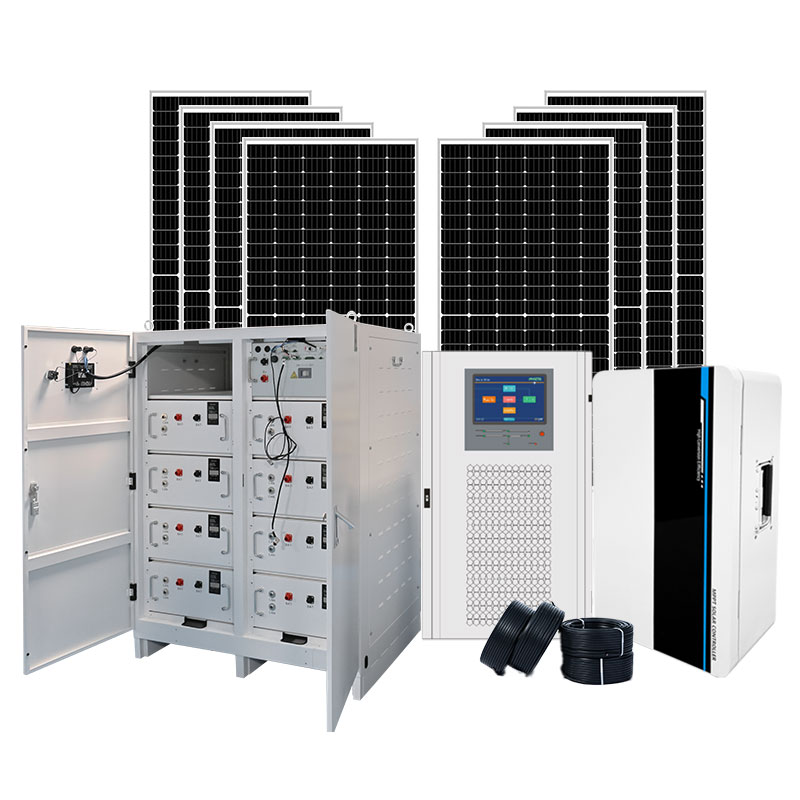
Produktionsanlagen benötigen eine stabile und zuverlässige Stromversorgung, um den kontinuierlichen Betrieb aufrechtzuerhalten. Hybride Energiespeichersysteme spielen dabei eine entscheidende Rolle. Für Großhändler und ihre Geschäftskunden ist es wichtig zu verstehen, dass Standard-Wechselrichter keine integrierten Batteriespeicherfunktionen besitzen. Um eine echte Notstromversorgung zu gewährleisten, benötigen die Anlagen ein integriertes System. All-in-One-Energiespeichersystem Um flexible Energiedienstleistungen und ein nahtloses Energiemanagement zu gewährleisten, trägt diese Kombination zur Steuerung von Energienachfrage und -angebot bei, was insbesondere bei Stromausfällen oder Netzstörungen unerlässlich ist.
Hybridkraftwerke bieten Energieversorgern die Möglichkeit, kontinuierlich mit sauberer Energie zu arbeiten und so eine Zuverlässigkeit zu gewährleisten, die mit traditionellen Energiequellen mithalten oder diese sogar übertreffen kann. Dadurch werden Produktionsanlagen bei der Aufrechterhaltung eines gleichmäßigen Betriebs unterstützt.
Hybride Energiespeichersysteme ermöglichen die Integration erneuerbarer Energien und eine flexible Energienutzung. Sie tragen zur Bewältigung von Lastspitzen und zur Aufrechterhaltung der Frequenzstabilität bei. Diese Eigenschaften sind entscheidend für Produktionsbetriebe, die sich keine Ausfallzeiten leisten können.
Netzstabilität hat für Industriekunden höchste Priorität. Energiespeichersysteme, einschließlich Hybridlösungen, erbringen Systemdienstleistungen, die zur Aufrechterhaltung einer gleichbleibenden Frequenz und Ressourcenverfügbarkeit beitragen. Sie unterstützen die Ressourcenausstattung, indem sie die installierte Gesamtkapazität eines Systems erhöhen, was in Zeiten hoher Nachfrage oder geringer Versorgung entscheidend ist.
Diese Systeme verringern die Übertragungsengpässe, indem sie die Spitzenlast in Zeiten außerhalb der Spitzenzeiten verlagern.
Speicheranbieter können auf Kapazitätsmärkten eine Vergütung für ihre Fähigkeit erhalten, bei Bedarf Energie zu liefern.
Langzeitspeichersysteme erhalten aufgrund ihrer Zuverlässigkeit oft eine höhere Vergütung.
Energiespeicher können auch als Übertragungsinfrastruktur dienen und durch effektives Lastmanagement zur Entlastung des Netzes beitragen. Mehrere Systembetreiber haben damit begonnen, Speicher ausschließlich als Übertragungsinfrastruktur zu integrieren und so die Netzstabilität weiter zu stärken.
Hybride Energiespeichersysteme zeichnen sich durch ihre Fähigkeit zur Spitzenlastabdeckung und Lastverschiebung aus. Sie reagieren schnell auf Änderungen des Energiebedarfs, optimieren den Energieverbrauch und senken die Betriebskosten. Diese Systeme speichern überschüssige Energie in Zeiten geringer Nachfrage und geben sie in Spitzenzeiten wieder ab. Dadurch werden Angebot und Nachfrage ausgeglichen, das Stromnetz entlastet und die Versorgungssicherheit insgesamt erhöht.
Hybridsysteme bieten zudem Frequenzregelung und Spannungsstützung. Diese Funktionen verhindern Leistungsschwankungen und potenzielle Ausfälle, was insbesondere in Produktionsumgebungen mit hohem Energiebedarf wichtig ist. Anlagen, die diese Systeme nutzen, können einen stabilen Betrieb auch bei schwankender Erzeugung erneuerbarer Energien gewährleisten.
Produktionsumgebungen, insbesondere solche mit hohen Temperaturen oder prozessintensiven Abläufen, profitieren erheblich von hybriden Energiespeichersystemen. Diese Systeme verbessern die Prozesseffizienz durch unterbrechungsfreie Stromversorgung, reduzieren die Stromkosten und gleichen Lastspitzen aus. Zudem steigern sie die Kosteneffizienz durch Energiearbitrage, indem sie Energie bei niedrigen Preisen speichern und bei Preisanstiegen nutzen.
Nutzen | Beschreibung |
|---|---|
Niedrigere Energiekosten | Das Batteriespeichersystem lädt sich in Schwachlastzeiten auf und liefert Strom während der Spitzenzeiten, wodurch die Energiekosten gesenkt werden. |
Verbesserte Stromqualität | BESS sorgt für eine gleichmäßige Stromversorgung und schützt empfindliche Maschinen vor Spannungsschwankungen. |
Notstromversorgung bei Ausfällen | BESS stellt bei Netzausfällen sofort Strom bereit und verhindert so Produktionsausfälle. |
Skalierbarkeit und Flexibilität | Modulare Systeme können sich an veränderte Produktionsanforderungen und Anlagenerweiterungen anpassen. |
Hybride Energiespeichersysteme ermöglichen dynamische Anpassungen der Betriebsstrategien. Anlagen können ihr Energiemanagement optimieren und verschiedene Energiequellen integrieren. Diese Flexibilität unterstützt die kontinuierliche Produktion und hilft Herstellern, sich an veränderte Marktbedingungen anzupassen.
Hybride Energiespeichersysteme helfen Produktionsanlagen, Emissionen zu reduzieren. Diese Systeme optimieren die Energienutzung durch die Kombination von Batterien mit erneuerbaren Energiequellen. Anlagen können so ihre Abhängigkeit von fossilen Brennstoffen verringern und ihren CO₂-Fußabdruck reduzieren. Effizientes Energiemanagement führt zu geringeren Treibhausgasemissionen. Viele Betriebe verzeichnen einen Rückgang der Luftschadstoffe durch den Einsatz hybrider Speichersysteme. Diese Verbesserung trägt zu saubererer Luft und gesünderen Gemeinden bei.
Hybride Energiespeichersysteme steigern die Effizienz bestehender Energieressourcen, was zur Reduzierung von Emissionen und des gesamten CO2-Fußabdrucks beiträgt.
Produktionsanlagen profitieren von hybriden Energiespeichersystemen durch die Integration erneuerbarer Energiequellen wie Solarenergie. Diese Systeme gewährleisten eine konstante und effiziente Energieversorgung. Sie kombinieren erneuerbare Energien mit konventionellen Stromerzeugungs- und Speicherlösungen. Dieser Ansatz ermöglicht es Anlagen, mehr erneuerbare Energien zu nutzen, ohne die Versorgungssicherheit zu beeinträchtigen. Hybridsysteme bewältigen Lastspitzen und gleichen Schwankungen in der Erzeugung erneuerbarer Energien aus. Anlagen können sich auch dann auf saubere Energie verlassen, wenn die Sonne nicht scheint oder das Stromnetz instabil ist.
Hybridsysteme maximieren die Nutzung erneuerbarer Energien.
Sie bieten Flexibilität für verschiedene Anwendungen.
Die Anlagen gewährleisten einen reibungslosen Betrieb bei gleichzeitigem Einsatz saubererer Energie.
Hersteller setzen sich Nachhaltigkeitsziele, um die Umwelt zu schützen und ihren Ruf zu verbessern. Hybride Energiespeichersysteme unterstützen diese Ziele auf verschiedene Weise:
Sie maximieren den Einsatz erneuerbarer Energien und passen sich den sich ändernden Bedürfnissen an.
Diese Systeme verbessern die Effizienz von Anwendungen, die einen Speicher benötigen, um kurzfristige Stromschwankungen auszugleichen.
Pflanzen erzielen geringere Emissionen und einen kleineren CO2-Fußabdruck.
Hybride Energiespeichersysteme unterstützen Hersteller bei der Einhaltung gesetzlicher Vorgaben und Branchenstandards. Sie zeugen zudem von ihrem Engagement für den Umweltschutz. Viele Unternehmen nutzen diese Systeme, um ihre Ziele hinsichtlich Energieeffizienz und Emissionsreduzierung zu erreichen. Hybridlösungen bieten einen praktikablen Weg in eine nachhaltige Zukunft.
Produktionsanlagen sehen sich häufig mit sich ändernden Produktionsanforderungen und Expansionsplänen konfrontiert. Hybride Energiespeichersysteme bieten modulare Designs, die es den Anlagen ermöglichen, ihre Energiekapazität bedarfsgerecht zu skalieren. Großhandelskunden und Endverbraucher können mit einer modularen Standardeinheit beginnen, beispielsweise mit einer 15-kW-Batteriespeicher Das System lässt sich modular aufbauen und bei steigender Produktionsnachfrage problemlos um weitere Einheiten erweitern. Für Wiederverkäufer bietet dieser Ansatz flexible Lageroptionen, vermeidet Überinvestitionen für Endkunden und stellt sicher, dass die Kapazität dem tatsächlichen Bedarf entspricht. Jedes Modul arbeitet unabhängig, sodass Wartungsarbeiten oder Upgrades das Gesamtsystem nicht beeinträchtigen. Produktionsstätten profitieren von hoher Verfügbarkeit und flexiblen Wachstumsstrategien.
Modulare Systeme unterstützen eine schrittweise Erweiterung.
Anlagen vermeiden unnötige Kosten, indem sie nur bei Bedarf erweitert werden.
Unabhängige Module erhöhen die Zuverlässigkeit und vereinfachen die Wartung.
Hybridsysteme passen sich unterschiedlichen Produktionsumgebungen an. Sechs Industrieparkbeispiele demonstrierten diese Anpassungsfähigkeit, darunter energieintensive Parks in verschiedenen Klimazonen sowie Parks mit mittlerem oder niedrigem Energieverbrauch und vielfältigen Lastprofilen. Die Implementierung eines flexiblen Rahmens führte zu einer Senkung der Energiekosten um 43,7 % und der CO₂-Emissionen um 69,9 %.
Bühne | Beschreibung |
|---|---|
1 | Bedarfsanalyse |
2 | Auswahl der Energiespeichertechnologie |
3 | Systemmodellierung |
4 | Optimierungsdesign |
5 | Leistungsbeurteilung |
Hybride Energiespeichersysteme integrieren verschiedene Technologien wie Batterien und Superkondensatoren. Diese Kompatibilität ermöglicht es Anlagen, die Vorteile unterschiedlicher Speichermethoden zu kombinieren. Anlagen können die Technologien entsprechend ihren spezifischen Bedürfnissen auswählen, beispielsweise für die schnelle Speicherung oder Langzeitspeicherung. Das flexible Design unterstützt Upgrades und die Integration neuer Technologien ohne größere Systemänderungen. Anlagen behalten ihre Betriebseffizienz und passen sich den sich wandelnden Industriestandards an.
Hybridsysteme ermöglichen die nahtlose Integration neuer Energiespeichertechnologien, unterstützen zukünftige Aufrüstungen und gewährleisten eine hohe Leistungsfähigkeit.
Hybride Energiespeichersysteme bieten Produktionsanlagen nachhaltige Vorteile. Über einen Zeitraum von zehn Jahren verbessern diese Systeme die Energieeffizienz und -stabilität. Sie stabilisieren Netze und Mikronetze und gewährleisten so einen unterbrechungsfreien Betrieb auch bei Versorgungsschwankungen. Anlagen reduzieren die Verschwendung erneuerbarer Energien, indem sie überschüssigen Strom speichern und später nutzen. Hybride Systeme unterstützen zudem den Energiehandel und den Betrieb von Energieversorgungsunternehmen und generieren Einnahmen durch Dienstleistungen wie Frequenzregelung und Lastspitzenkappung. Ihre Flexibilität und Kosteneffizienz machen sie zu wertvollen Anlagen in Umgebungen mit variablen Energiepreisen und Nachhaltigkeitszielen.
Produktionsanlagen, die in hybride Energiespeichersysteme investieren, sichern sich langfristigen Wert und unterstützen sowohl die betriebliche Stabilität als auch das finanzielle Wachstum.
Hybride Energiespeichersysteme bieten Produktionsanlagen erhebliche finanzielle, betriebliche und ökologische Vorteile. Diese Systeme senken die Kosten, verbessern die Zuverlässigkeit und fördern die Nachhaltigkeit. Anlagen, die hybride Speichersysteme nutzen, verschaffen sich einen Wettbewerbsvorteil auf dem globalen Markt.
Sie steigern die Energieeffizienz und senken die Kosten.
Sie ermöglichen ein flexibles Energiemanagement zur Anpassung an wechselnde Anforderungen.
Sie unterstützen die Einführung sauberer Technologien und fördern Innovationen.
Hybride Energiespeicher werden auch in Zukunft die Industrie prägen, da die Hersteller nach intelligenteren und widerstandsfähigeren Lösungen suchen.
Ein hybrides Energiespeichersystem kombiniert zwei oder mehr Speichertechnologien, wie beispielsweise Batterien und Superkondensatoren. Diese Kombination ermöglicht es Herstellern, die Stromversorgung auszugleichen, die Effizienz zu verbessern und die Zuverlässigkeit ihrer Betriebsabläufe zu erhöhen.
Hybridsysteme speichern überschüssige Energie aus erneuerbaren Quellen wie Solarenergie. Sie geben diese Energie wieder ab, wenn die Produktion sinkt. Dieser Prozess hilft Kraftwerken, mehr saubere Energie zu nutzen und einen stabilen Betrieb aufrechtzuerhalten.
Hersteller setzen in Hybridsystemen fortschrittliche Sicherheitsfunktionen ein. Dazu gehören Wärmemanagement, Überwachung und automatische Abschaltung. Diese Funktionen schützen Geräte und Mitarbeiter vor elektrischen Gefahren.
Hybridsysteme senken die Energiekosten, indem sie Strom in Schwachlastzeiten speichern und ihn bei Spitzenbedarf wieder abgeben. Diese Strategie hilft Herstellern, hohe Energiekosten zu vermeiden und Ausgaben effizienter zu steuern.

Hinzufügen :5th Floor, Building B, No.2817 Kaichuang Avenue, Science Zone, Huangpu District, Guangzhou, China


Anern Industry Group Limited Alle Rechte vorbehalten
.Xml | Datenschutzrichtlinie  NETZWERK UNTERSTÜTZT
 Sprache


