Warum rüsten moderne Fabriken auf Lithium-Solarbatterien um?
Jun 01, 2026
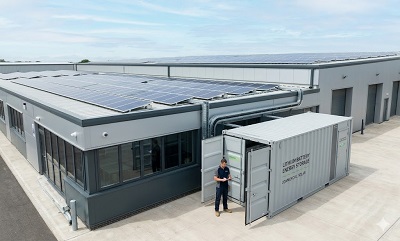
Jenseits der Stromerzeugung: Warum Energiespeicherung der wahre Katalysator für die kommerzielle Stromunabhängigkeit istIn der modernen Industrielandschaft ist die eigene Solarstromerzeugung kein Wettbewerbsvorteil mehr, sondern eine Grundvoraussetzung. Doch es vollzieht sich ein bedeutender Paradigmenwechsel. Facility Manager und Unternehmer erkennen, dass Solaranlagen allein die Probleme der Netzstabilität oder steigender Stromtarife in Spitzenzeiten nicht lösen können. Der wahre finanzielle und operative Vorteil liegt darin, wie diese Energie gewonnen, gespeichert und nach Sonnenuntergang genutzt wird. Willkommen im Zeitalter fortschrittlicher Energiespeicher für Unternehmen.Die Ökonomie der Energiespeicherung: Entschlüsselung des LCOSBei der Bewertung von Investitionen in erneuerbare Energien müssen B2B-Käufer neben den anfänglichen Investitionskosten (CapEx) auch die Speicherkosten (Levelized Cost of Storage, LCOS) berücksichtigen. Die LCOS messen die Gesamtkosten für Installation und Wartung eines Speichersystems, dividiert durch die gesamte Energiemenge, die es über seine Lebensdauer erzeugt. Hier versagen herkömmliche Technologien wie Blei-Säure- oder AGM-Batterien deutlich.Ältere Systeme erscheinen auf den ersten Blick günstiger, doch ihre versteckten Kosten sind enorm. Sie erfordern wöchentliches Nachfüllen von Wasser, streng temperaturkontrollierte Umgebungen und vor allem eine gravierende Begrenzung der Entladetiefe (DoD) auf 50 %. Wird eine Blei-Säure-Batterie unter 50 % entladen, kommt es zu einer dauerhaften Sulfatierung der Platten, wodurch die Batterie innerhalb weniger Jahre zerstört wird.Durch den Übergang zu einem hohe Kapazität Lithium-SolarbatterieKommerzielle Anlagen senken ihre Stromgestehungskosten (LCOS) drastisch. Die Lithium-Eisenphosphat-Chemie (LiFePO4) ermöglicht eine beeindruckende Entladetiefe (DoD) von 80 % bis 90 % ohne Leistungsverlust. Das bedeutet, dass eine 100-kWh-Lithium-Batterie fast die doppelte nutzbare Energie einer 100-kWh-Blei-Säure-Batterie liefert und bis zu 6.000 Ladezyklen – oder etwa 15 Jahre täglichen kommerziellen Einsatzes – zuverlässig Strom bereitstellt.Spitzenkappung und LastverschiebungEnergieversorger bestrafen Gewerbekunden mit Spitzenlastgebühren und zeitabhängigen Tarifen, die ihren Höhepunkt am späten Nachmittag erreichen. Ein intelligentes Speichersystem lädt sich mittags mit kostenlosem Solarstrom auf und entlädt sich automatisch, um Ihre Maschinen während der Spitzenzeiten zu betreiben. So werden diese teuren Spitzen auf Ihrer Monatsrechnung effektiv vermieden.Unabhängigkeit von MikronetzenFür abgelegene Produktionsstätten, Bergbaulager oder Telekommunikationsbasisstationen ist eine Netzerweiterung entweder unmöglich oder unerschwinglich. Eine robuste Energiespeicherarchitektur bildet das Herzstück eines autarken Mikronetzes und steuert die Einspeisung von Solaranlagen und Notstromaggregaten, um einen unterbrechungsfreien Betrieb rund um die Uhr zu gewährleisten.Wichtige technische Kennzahlen für gewerbliche KäuferDie Beschaffung von Energiespeichern für ein Großprojekt erfordert eine sorgfältige Prüfung. Nicht alle Lithiumlösungen sind für die hohen Anforderungen im industriellen Umfeld geeignet. Stellen Sie bei der Beratung mit Ihrem Ingenieurteam sicher, dass… Tiefzyklus-Solarbatterie Die von Ihnen ausgewählte Person erfüllt die folgenden Kriterien für Unternehmen:1. Thermische Stabilität und Sicherheit (Integration in das Gebäudeleitsystem)Industriesicherheit hat höchste Priorität. Das System muss über ein integriertes, intelligentes Batteriemanagementsystem (BMS) verfügen. Das BMS überwacht kontinuierlich die Spannungen, Ströme und die Umgebungstemperatur der einzelnen Zellen. Bei Anomalien isoliert es die betroffenen Module, um ein thermisches Durchgehen zu verhindern. LiFePO4 ist von Natur aus die sicherste Lithium-Chemie und selbst bei Beschädigung äußerst feuerbeständig.2. Symmetrisches Laden mit hoher C-RateIn Regionen mit unbeständigem Wetter kann das Zeitfenster mit optimalem Sonnenlicht kurz sein. Kommerzielle Speicher müssen hohe Ladeströme aufnehmen können, um Energie schnell zu speichern, bevor die Wolken wiederkehren. Achten Sie auf Systeme, die kontinuierlich hohe C-Raten unterstützen, ohne Temperaturalarme auszulösen.3. Nahtlose Skalierbarkeit und WechselrichterkompatibilitätDer Strombedarf Ihrer Anlage wird voraussichtlich steigen. Die Architektur muss daher stapelbar und modular sein. Mehrere Batterieracks sollten parallel geschaltet werden können, um die Kapazität von 50 kWh auf mehrere Megawattstunden (MWh) zu erweitern. Darüber hinaus müssen die Kommunikationsprotokolle der Batterie (CAN/RS485) einwandfrei mit leistungsstarken Hybrid-Wechselrichtern für den gewerblichen Einsatz kompatibel sein.Ein sauberer, modularer Lithium-Energiespeichereinsatz in einer modernen Industrieanlage.Dimensionierung Ihres Systems: Ein praktisches BerechnungsbeispielEine der häufigsten Fragen, die uns gestellt werden, ist, wie man die benötigte Kapazität korrekt berechnet. Betrachten wir dazu ein vereinfachtes kommerzielles Szenario.Angenommen, Ihre Einrichtung verfügt über kritische Verbraucher (Server, Notbeleuchtung und wichtige Kühlanlagen), die konstant 15 kW Leistung verbrauchen. Sie möchten die vollständige Betriebsautonomie für 8 Stunden während eines längeren Stromausfalls oder über Nacht gewährleisten.Gesamtenergiebedarf: 15 kW x 8 Stunden = 120 kWh.Anpassung für das Verteidigungsministerium: Da Premium-Lithiumbatterien eine sichere Entladetiefe (DoD) von 90 % aufweisen, teilt man die benötigte Energie durch 0,9.Erforderliche Batteriekapazität: 120 kWh / 0,9 = 133,3 kWh.In diesem Szenario wird ein modulares Kommerzielles Energiespeichersystem Eine Konfiguration auf rund 150 kWh würde den perfekten Puffer bieten und Langlebigkeit sowie absolute Stromversorgungssicherheit gewährleisten, ohne unnötig viel in Hardware zu investieren.Werden Sie Partner von AnernTheoretische Berechnungen und technische Spezifikationen sind ohne robuste Fertigung und Umsetzung wertlos. Anern perfektioniert seit 17 Jahren die Integration von Solarmodulen, Hybrid-Wechselrichtern und Hochvolt-Lithiumspeichern. Unsere proprietären Systeme versorgen Unternehmen in über 200 Ländern mit Energie. Durch den Einsatz von LiFePO4-Zellen der Güteklasse A und strenge Werksprüfungen bieten wir umfassende Energielösungen, die die Netzabhängigkeit beseitigen und den ROI maximieren. Kontaktieren Sie noch heute unser Ingenieurteam für eine maßgeschneiderte Systemplanung.Häufig gestellte Fragen (FAQ)Frage 1: Wie beeinflusst die Temperatur die Leistung von kommerziellen Lithiumbatterien?LiFePO4-Akkus sind zwar sehr robust, jedoch kann extreme Kälte ihre Entladekapazität vorübergehend verringern und extreme Hitze die Zellalterung beschleunigen. Unsere kommerziellen Gehäuse sind mit intelligenten Wärmemanagementsystemen und optimaler Belüftung ausgestattet, um die Innentemperatur zwischen 15 °C und 25 °C zu halten und so eine maximale Lebensdauer unabhängig vom Standort zu gewährleisten. Frage 2: Kann ich ein neues Lithiumspeichersystem in meine bestehende netzgekoppelte Solaranlage integrieren?Ja, dies wird als AC-gekoppelte Aufrüstung bezeichnet. Sie müssen Ihre bestehenden Solarmodule oder netzgekoppelten Wechselrichter nicht entfernen. Wir können einen separaten Batteriewechselrichter in Ihre bestehende Infrastruktur integrieren, sodass Sie überschüssigen Strom nutzen und Ihre Anlage nahtlos auf einen Hybrid- oder Inselbetrieb umstellen können. Frage 3: Welcher Wartungsplan ist für ein System mit einer Kapazität von über 100 kWh erforderlich?Im Gegensatz zu Blei-Säure-Systemen, die ein eigenes Wartungsteam benötigen, sind unsere Lithium-Energiespeichersysteme nahezu wartungsfrei. Das integrierte Batteriemanagementsystem (BMS) übernimmt den automatischen Zellausgleich. Ihr Anlagenmanager muss lediglich regelmäßig Sichtprüfungen der Kabelverbindungen durchführen und die Systemleistung per Fernzugriff über unsere cloudbasierte Überwachungssoftware überwachen.





 NETZWERK UNTERSTÜTZT
 Sprache


